
The Calendar Illusion: Why Your Salon's Revenue Dip Might Not Be Real
Salon leaders frequently scramble to fix revenue declines that do not actually exist. By stripping away the noise of calendar fluctuations, you can reveal the true, stable health of your business operations.
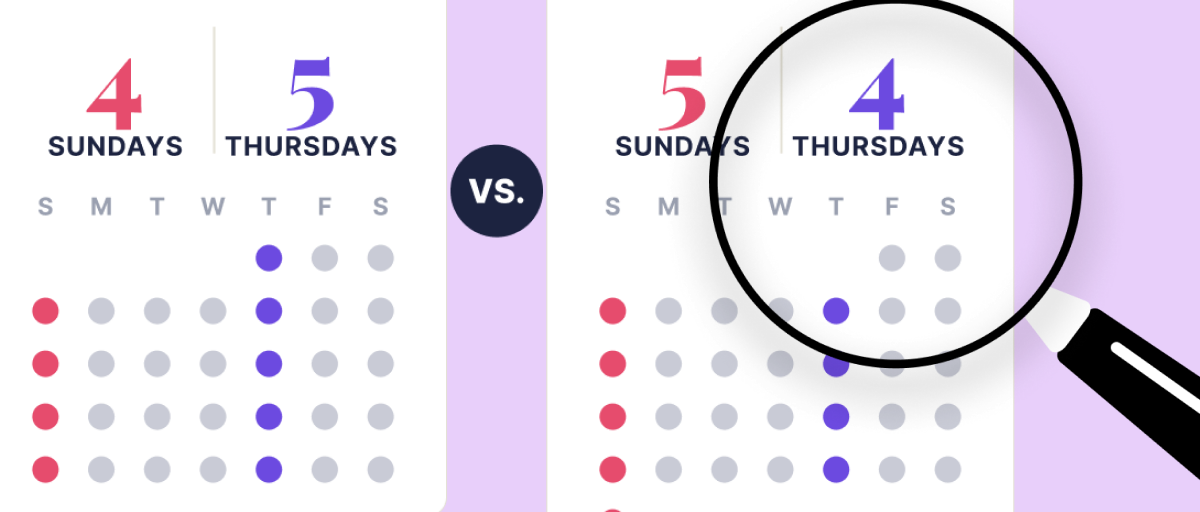
The most dangerous decisions in a salon are often the ones made in a hurry, triggered by a quick glance at a monthly spreadsheet. When you see a dip in revenue, it's human nature to panic—wondering if your staff is underperforming or if your clients are leaving for a competitor.
A recent article featured on SalonToday.com, citing data from The KIM Report, reveals a crucial truth: often, the problem you are trying to "fix" doesn't actually exist.
Here is how understanding "The Calendar Illusion" can change the way you manage your business.
Stop Fixing Problems That Aren't There
The core insight from the report is that May revenue dips are often just a result of calendar math. If your month has fewer Thursdays (historically high-revenue days) and more Sundays (historically lower-revenue days) compared to the previous year, your gross revenue will look lower, even if your actual business health is better than ever.
The Benefit for Your Salon:
- Avoid Costly Reactive Measures: Knowing that your revenue drop is a calendar anomaly prevents you from making unnecessary knee-jerk reactions, like cutting staff hours, slashing service prices, or panicking and changing your marketing strategy.
- Confidence in Your Numbers: When you understand the "why" behind the numbers, you can stay the course. You realize that your business didn't "fail"—the calendar simply shifted.
Focus on the Metrics That Actually Matter
The report notes that while gross revenue might fluctuate based on the calendar, other metrics tell a more accurate story. For instance, the average service ticket has risen nearly 3% since last year, showing that clients are consistently spending more per visit.
The Benefit for Your Salon:
- Shift Your Focus: By tracking average service tickets rather than just total monthly revenue, you get a clearer picture of client loyalty and the true value of your work. It proves that your clients aren't leaving; they are investing more in your services.
Capitalize on Emerging Trends (The Sunday Opportunity)
The data shows a fascinating shift in consumer behavior: Sunday is currently the fastest-growing revenue day of the week, even outpacing Monday. Many salons still treat Sunday as an afterthought, but the data suggests it is becoming a prime destination for clients.
The Benefit for Your Salon:
- Strategic Scheduling: Use this insight to optimize your roster. Putting some of your strongest stylists on the floor on Sundays and actively promoting services for that day allows you to capture growing demand where it is actually happening, rather than where it happened in the past.
The Bottom Line
When you measure your salon against the right benchmarks and account for how the calendar actually falls, you stop reacting to noise and start seeing what your business is really doing.
The takeaway for any salon owner is simple: look deeper. Don't let a single month's total force you into making changes your business doesn't need. Instead, use data to understand your true growth, optimize your schedule based on actual demand, and keep your focus on the work that builds long-term value.
To read the full article, please visit SalonToday.com.
Learn more about our easy marketing solutions
We offer customizable emails and automated marketing. Connect with individual clients or communicate with everyone. So many choices at your fingertips.


